Roof Snow Removal
Save your home or business from a potential disaster
Scope of Work
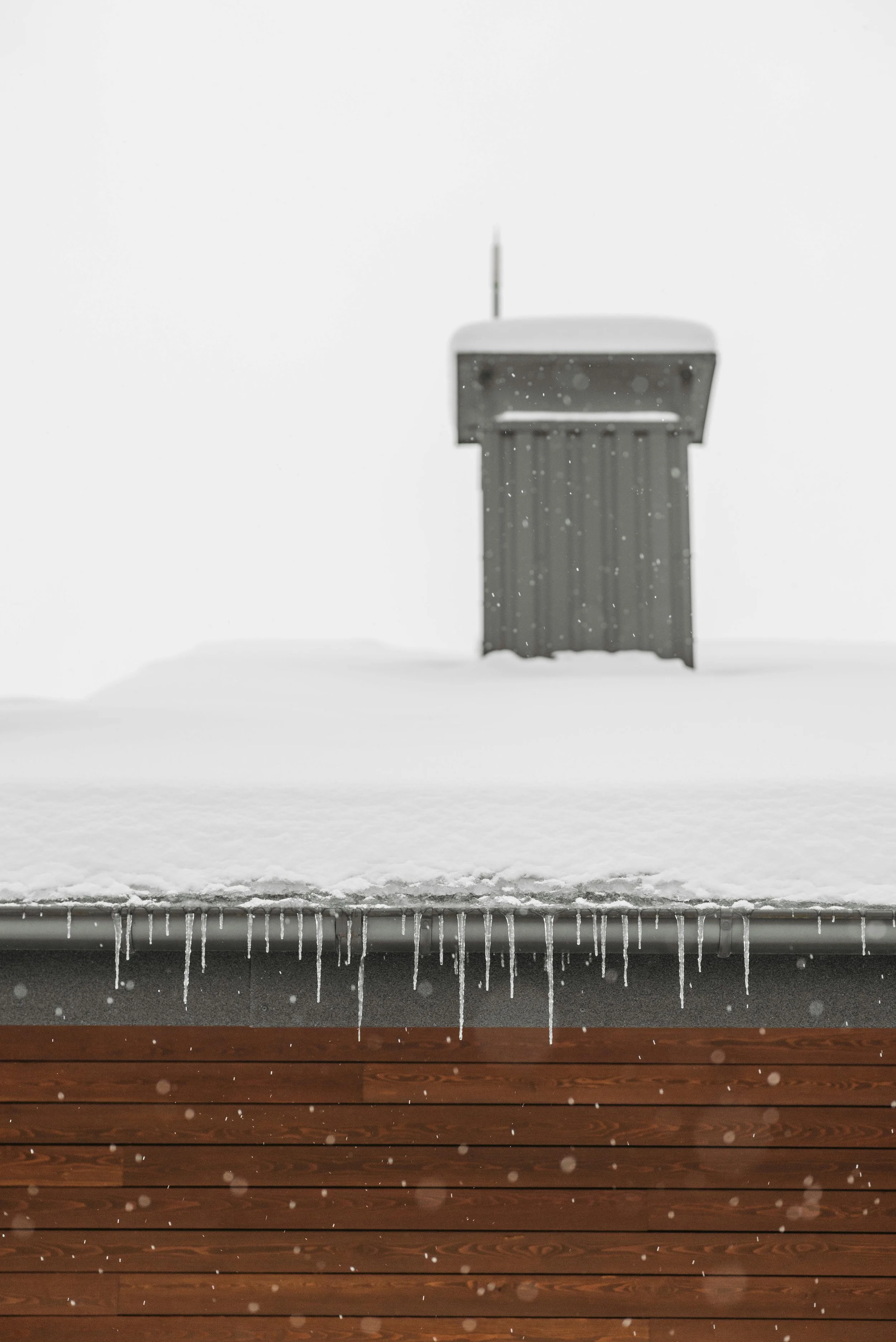
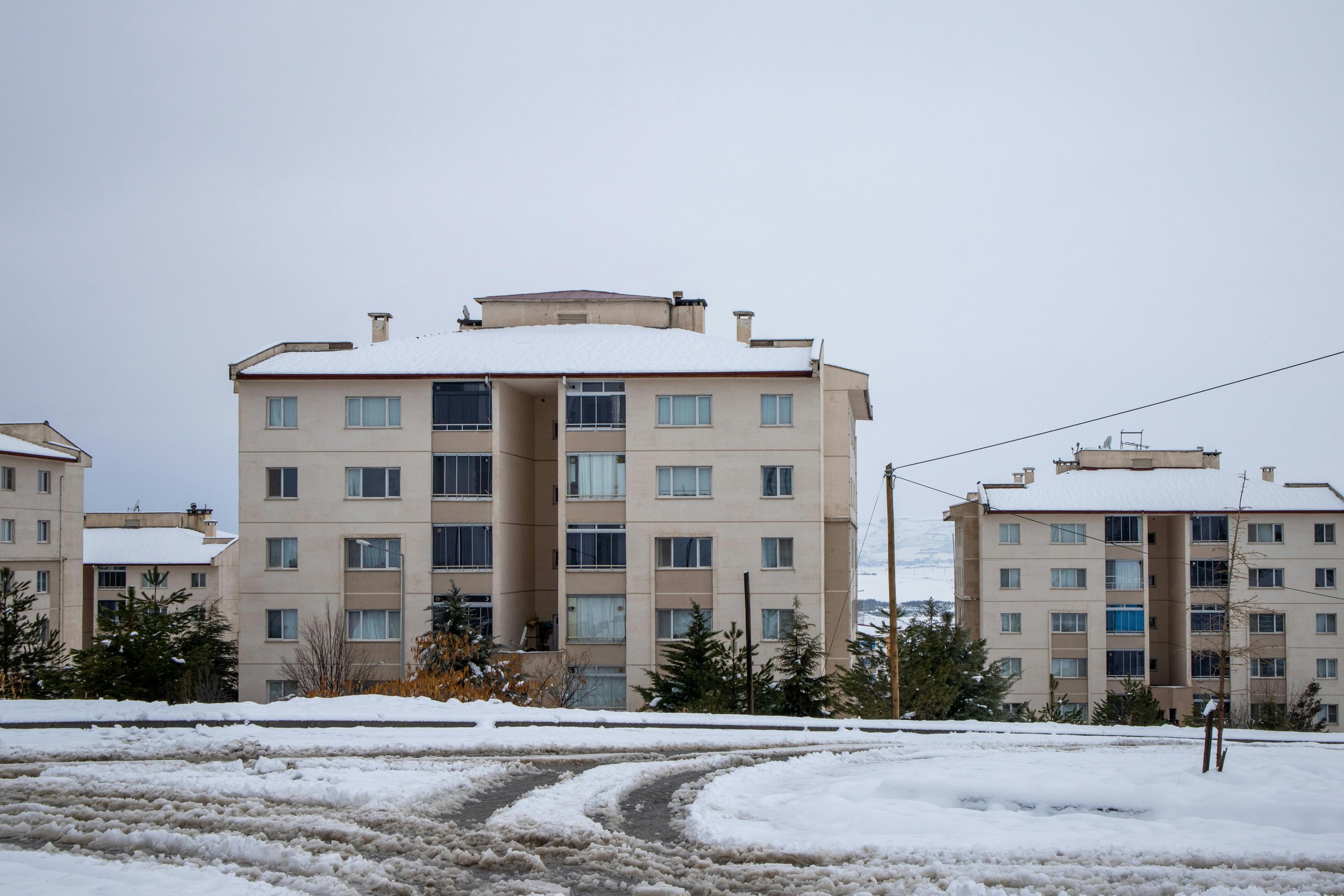
Manual removal of accumulated snow from accessible roof areas using roof-safe tools designed to minimize risk of shingle or roofing material damage.
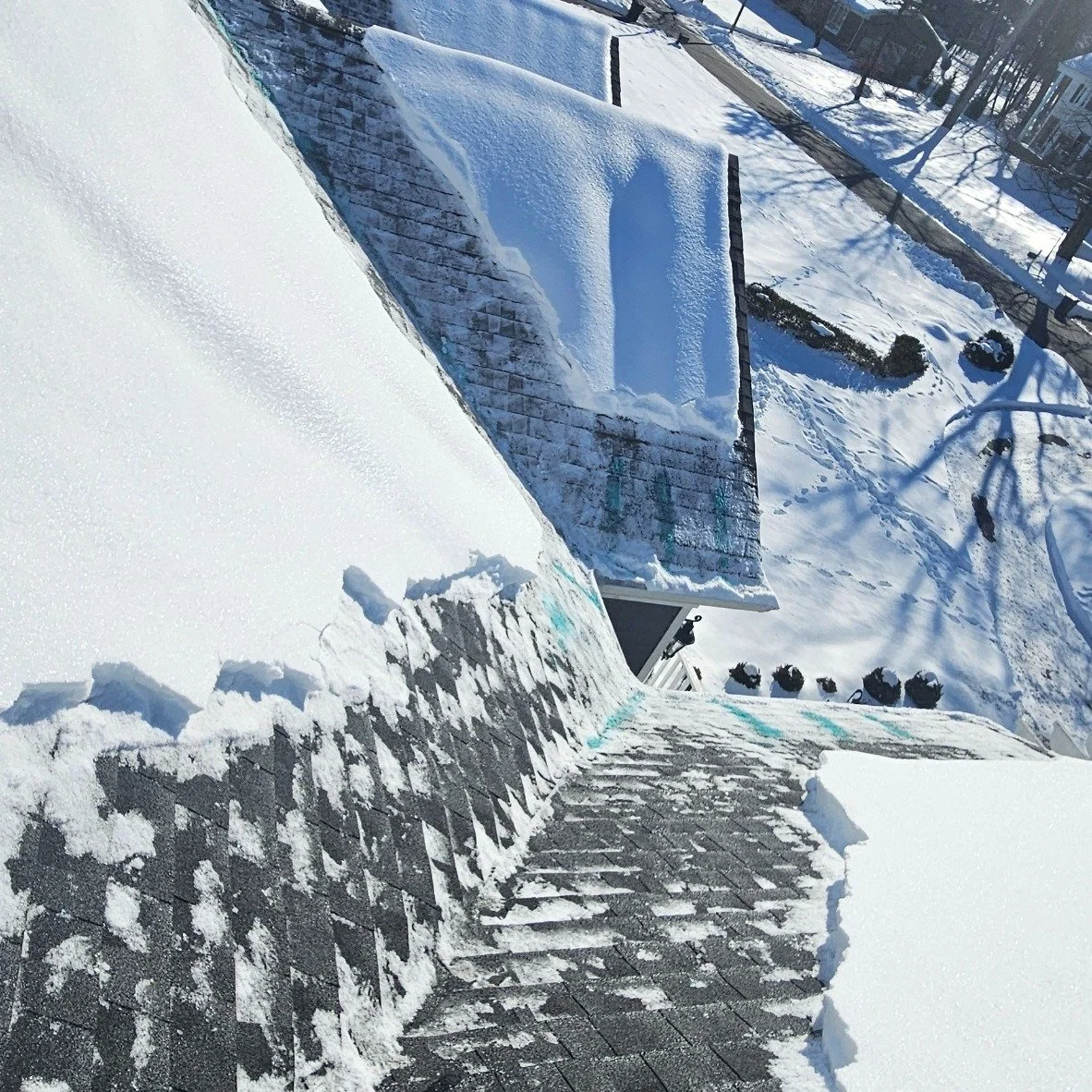
Snow is removed in a balanced manner to help reduce uneven loading on the roof structure.
No mechanical equipment or open-flame / heat systems are used on the roof surface.
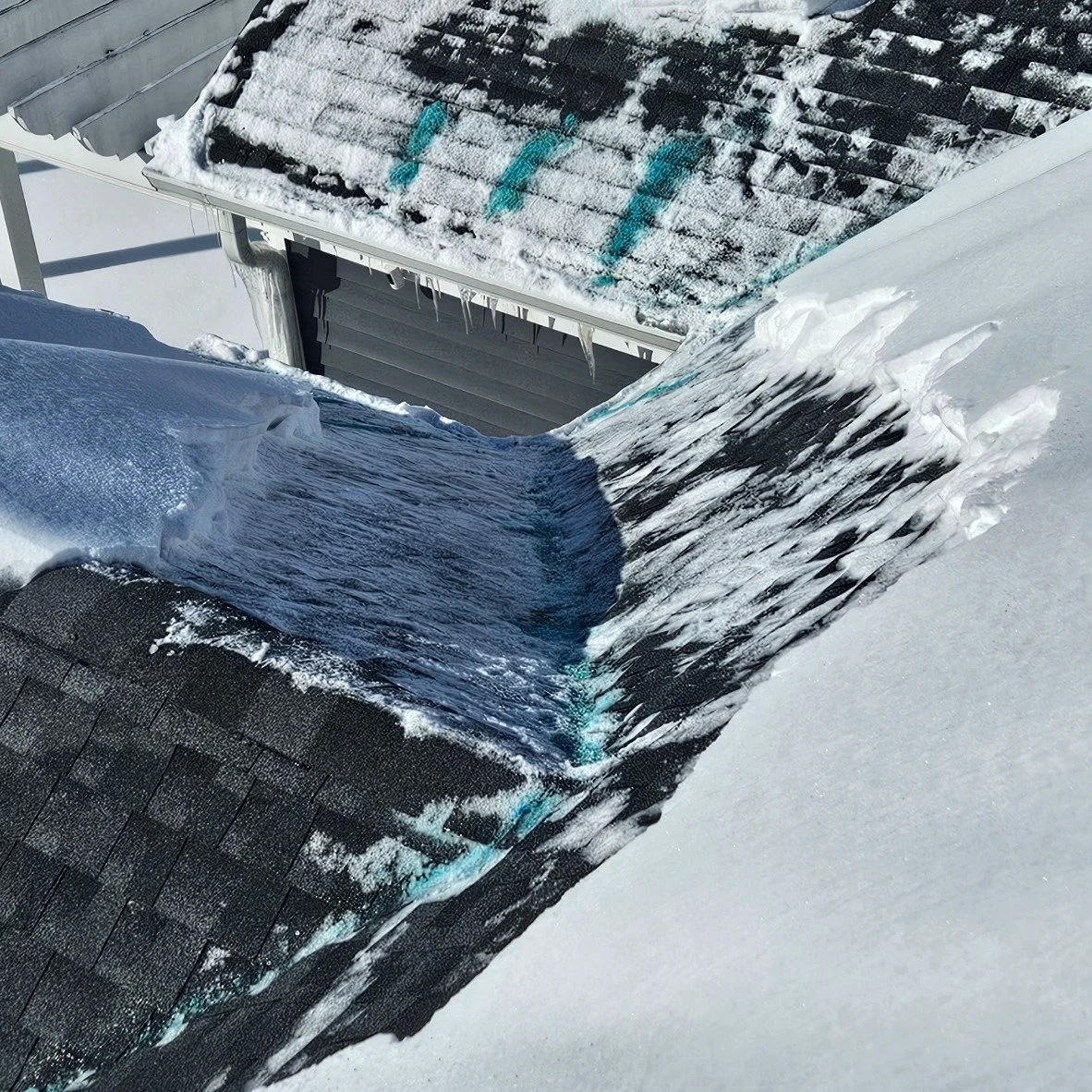
Snow removal focused on critical areas, including roof edges/eaves, valleys, and around chimneys, vents, and skylights where ice dams and drainage issues commonly develop.
Work is performed with safety as the priority; certain roof areas may be excluded if conditions are deemed unsafe at the time of service
| Optional Gutter
Care Add-On
Gutter & Eave De-Icing (as needed):
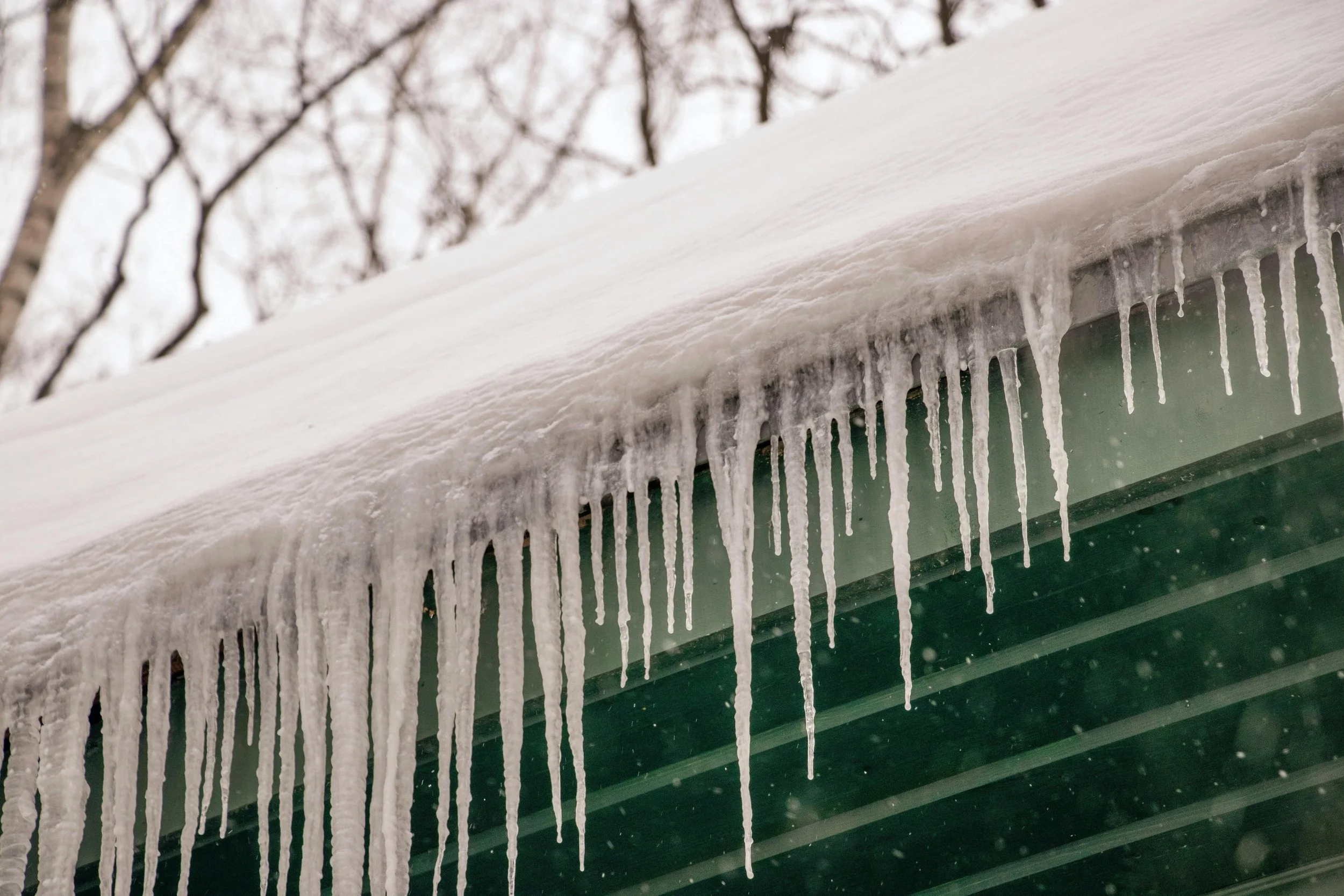
Application of controlled, targeted, calcium-chloride–based de-icing material to encourage run-off
Applied selectively to gutters and eave areas to help reduce ice buildup and refreezing
Intended to assist drainage and mitigate ice dam formation
Disclaimer
Roof snow removal and de-icing services are intended to reduce snow and ice load and help mitigate ice-related issues. Industry accepted mitigation practices are performed judiciously. Due to weather conditions and refreezing cycles, complete ice removal or prevention of future ice formation cannot be guaranteed.
Proactive Gutter
Maintenance Approach
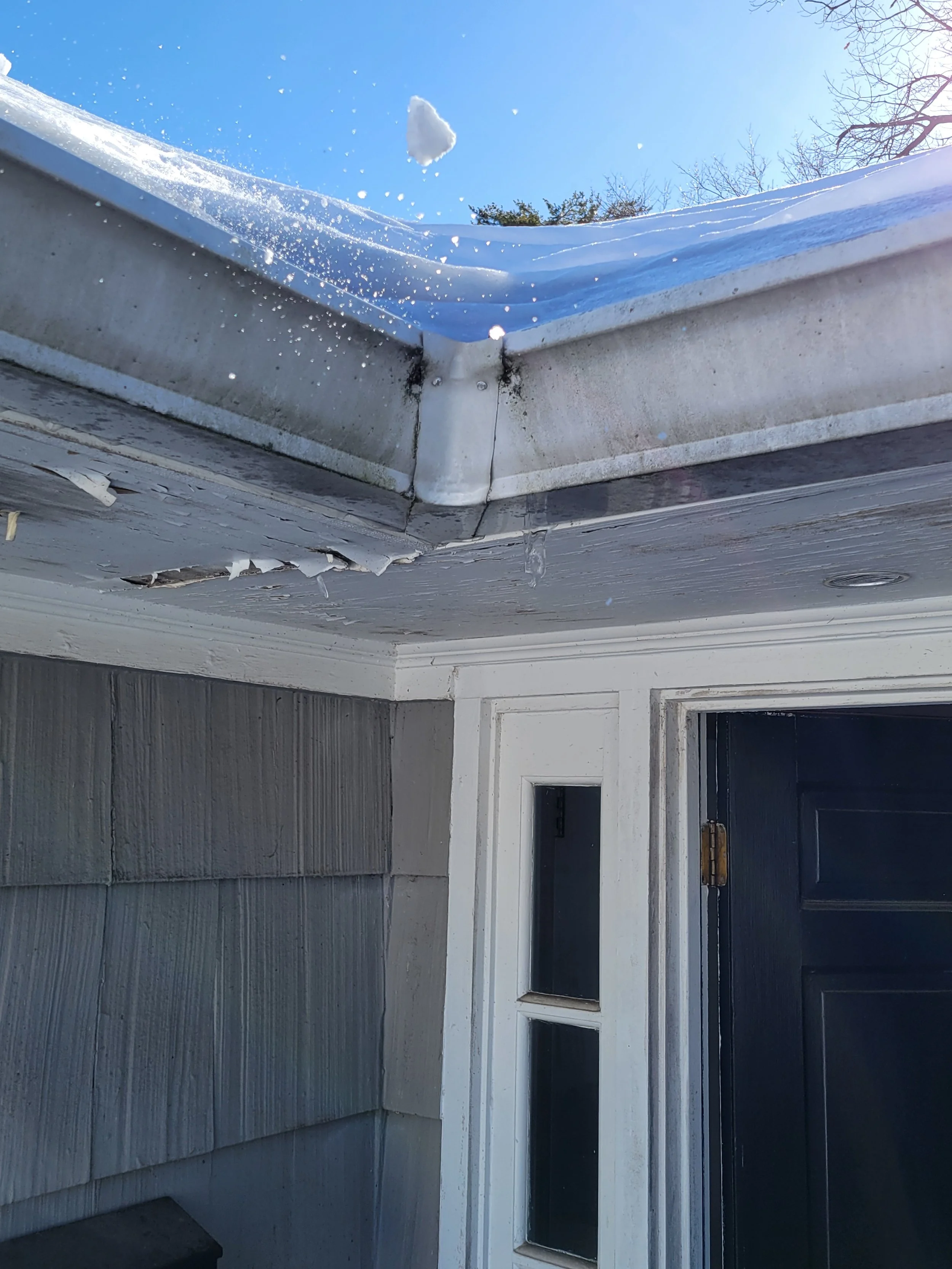
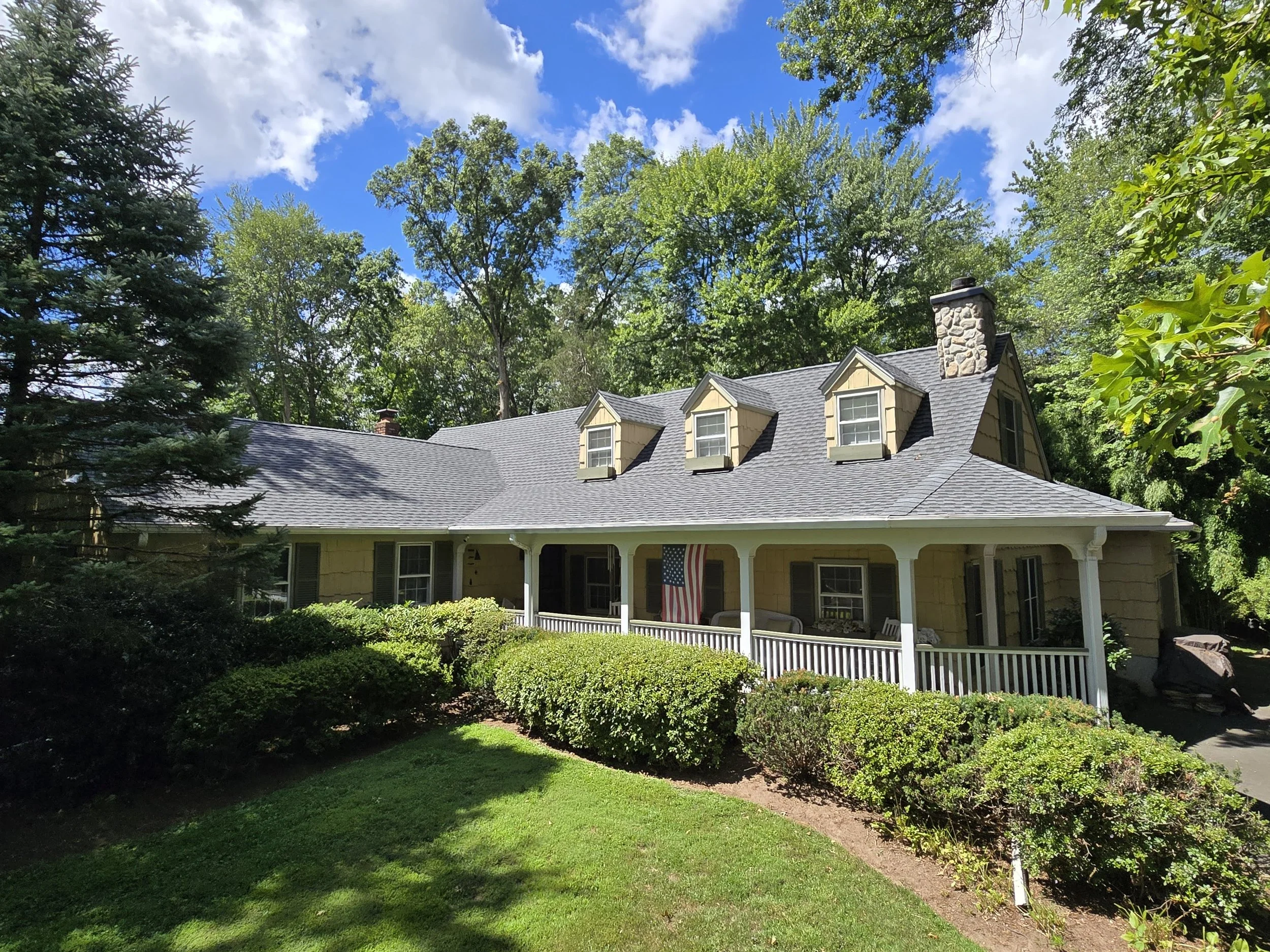
Heated gutter cables (often called heat tape) can be a really useful add-on when a home is prone to ice buildup at the eaves, gutters, or downspouts. By warming the gutter channel and key drainage paths, the cable helps keep a small “flow lane” open so melting snow has a better chance of draining instead of refreezing at the edge and contributing to ice dams. They’re especially helpful on roof sections that stay shaded, in areas with frequent melt/freeze cycles, and where gutters tend to ice up and block runoff. Heated cables don’t replace good insulation/ventilation or proper gutter sizing—but paired with snow removal and selective de-icing, they can reduce the likelihood of recurring winter drainage issues and lessen the risk of water backing up under shingles during refreezing conditions.
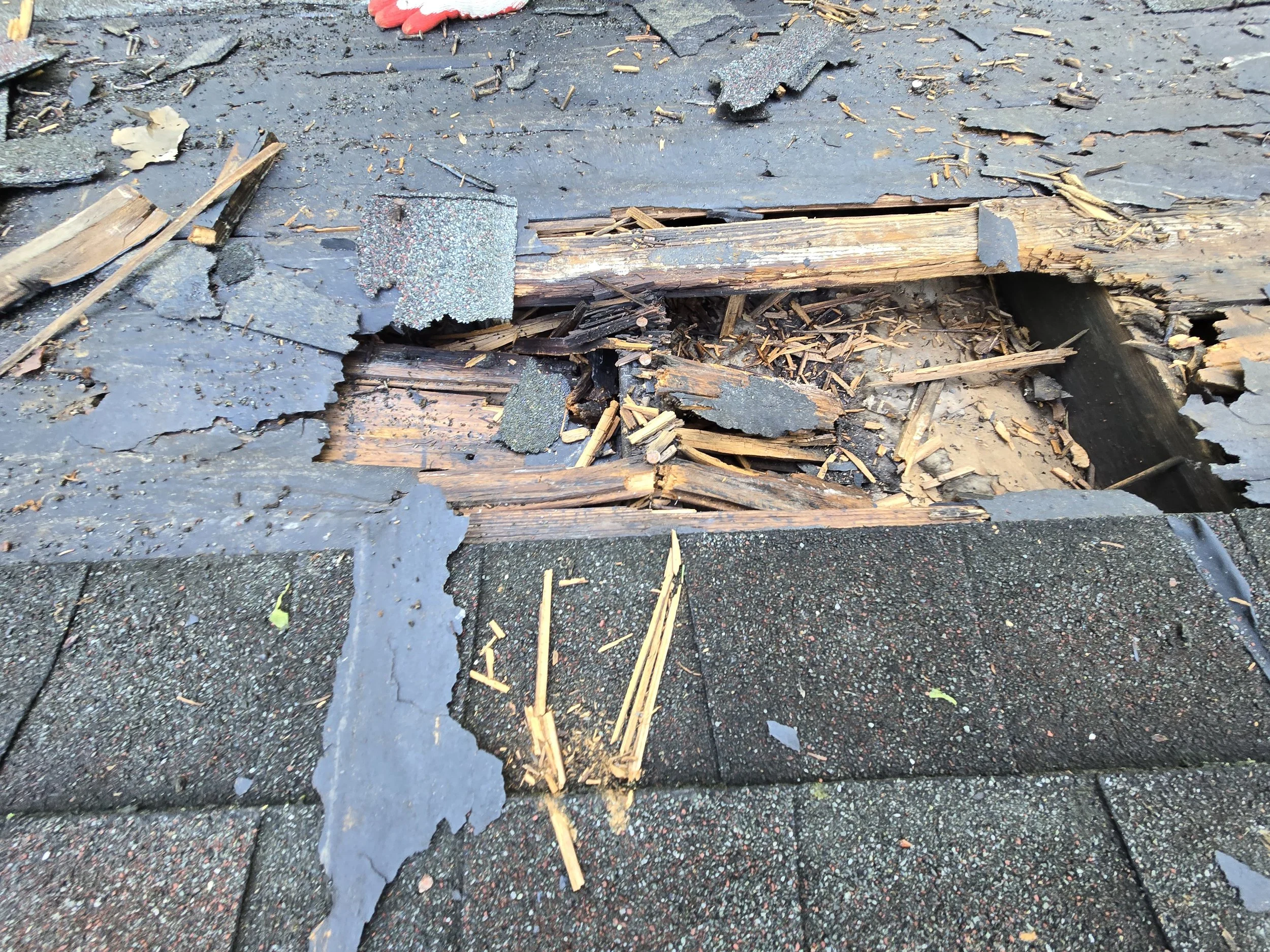
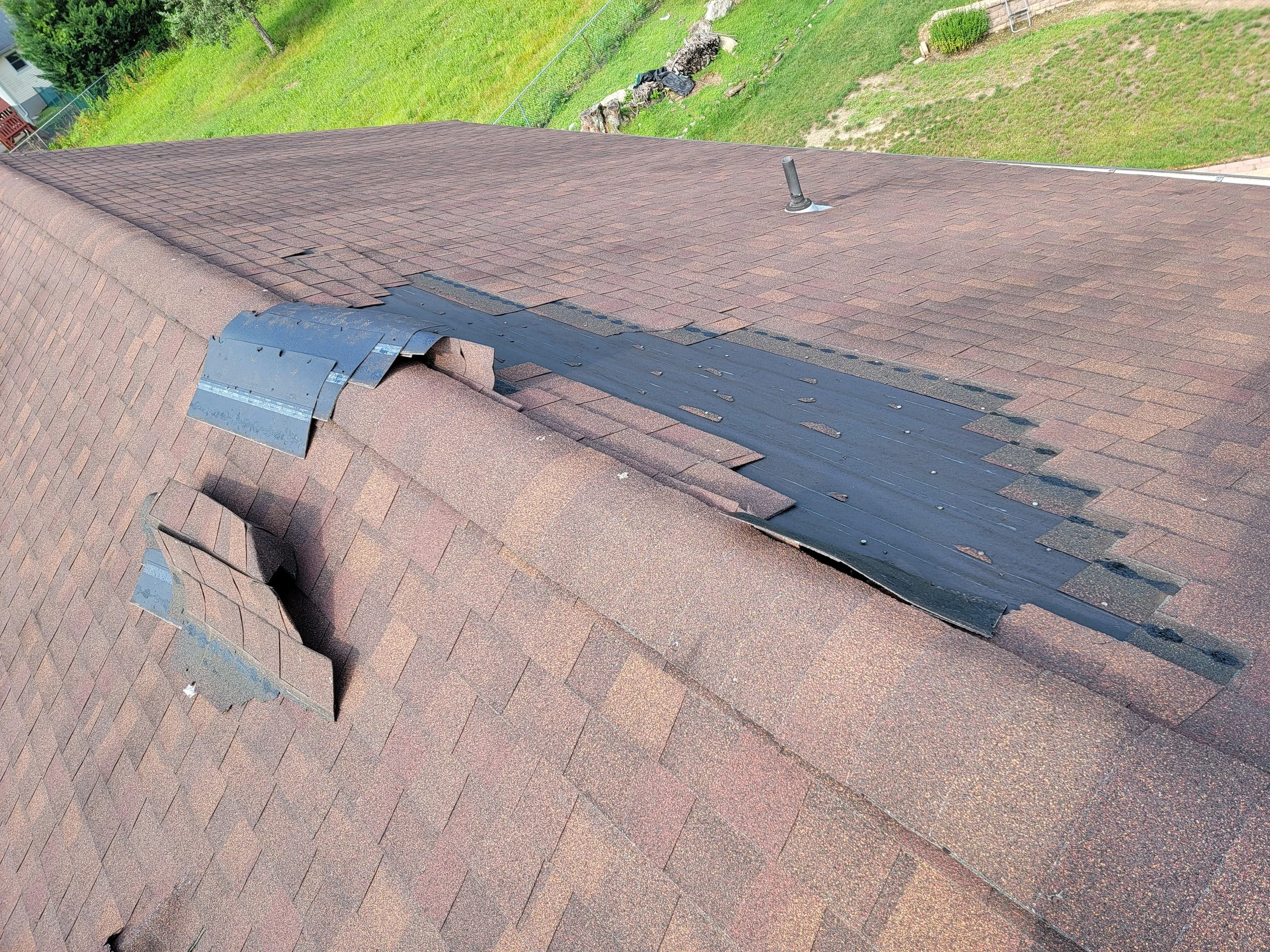
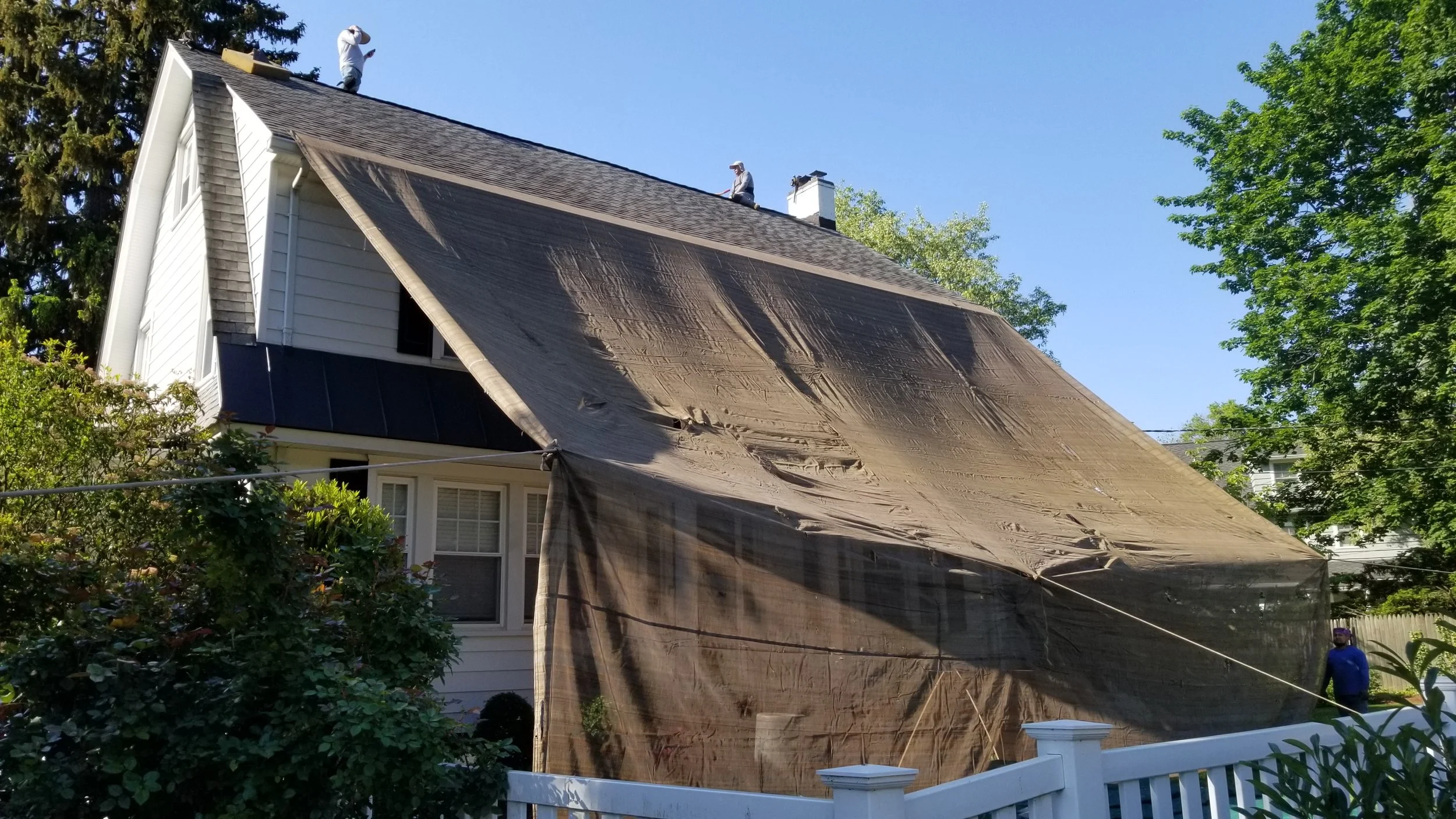
If snow or ice has revealed leaks, drainage issues, or worn materials, our Roof & Gutter Replacement services can help prevent repeat problems next winter.
Have You Noticed
Anything After a Storm?
A Simple, Low-Stress
Process
We’ll look at your roof, tell you what’s actually going on, and give you options, including cost-saving approaches when they make sense. If you just want peace of mind, an inspection can be the smartest first step.
Request a free estimate (or schedule an inspection) and we’ll take it from there.
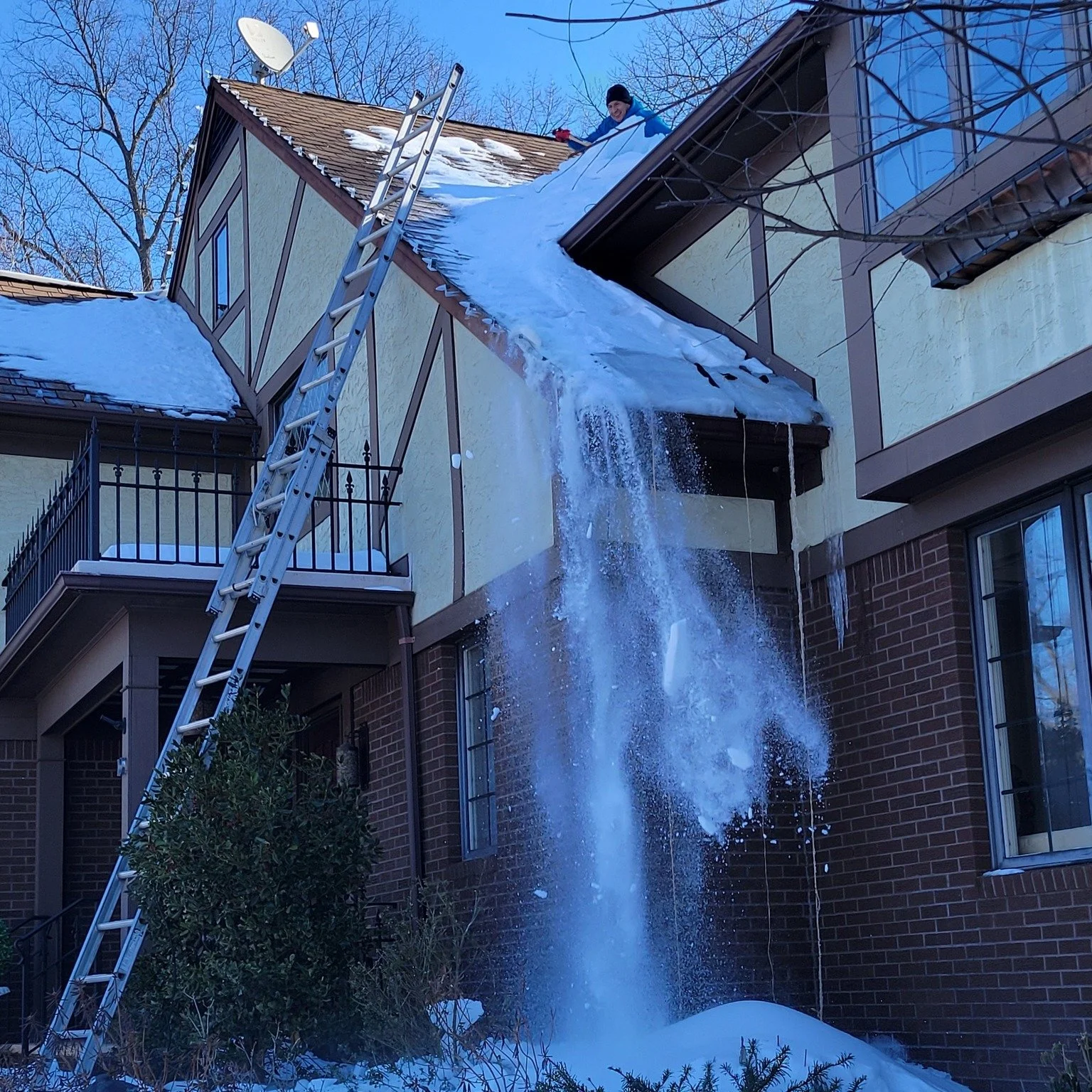
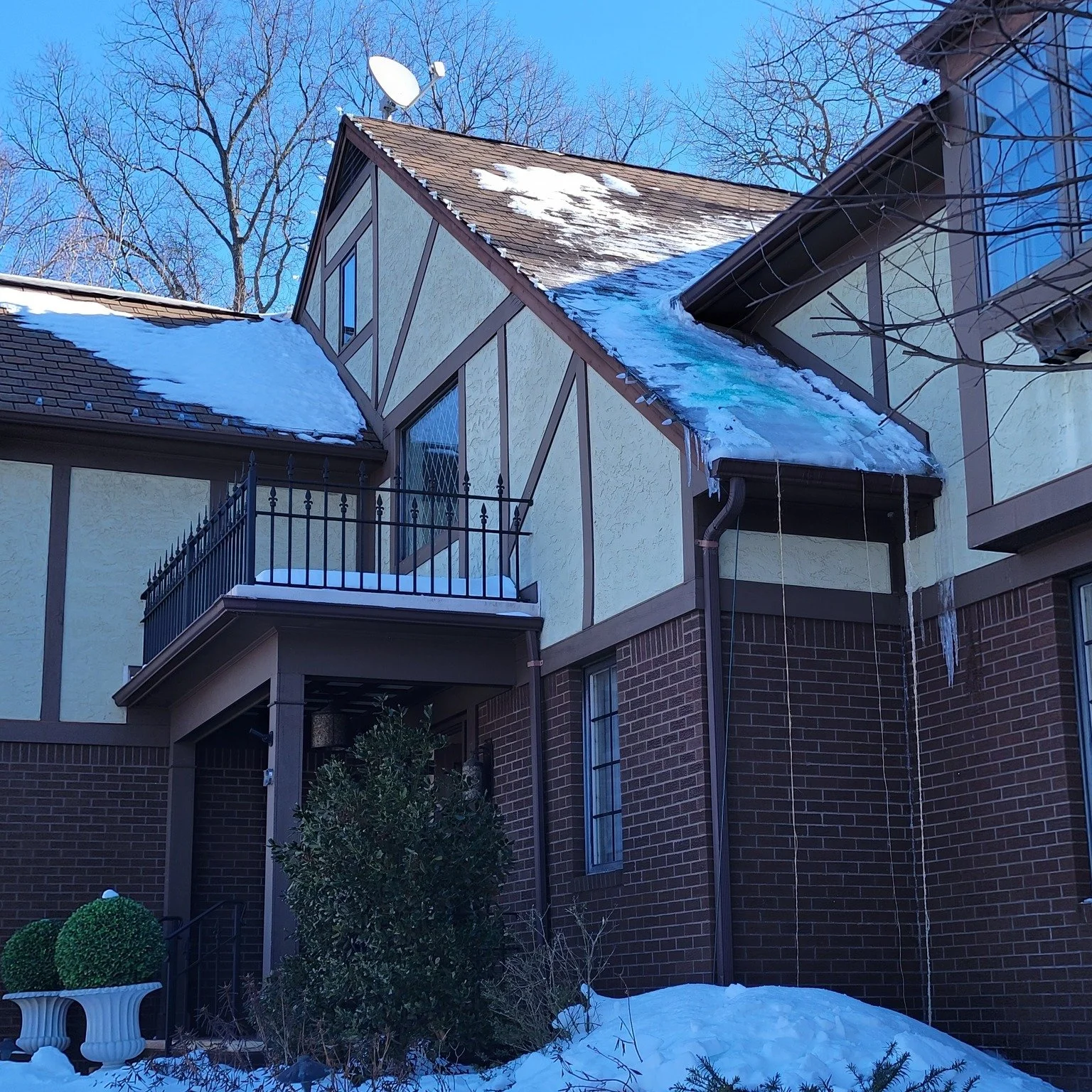
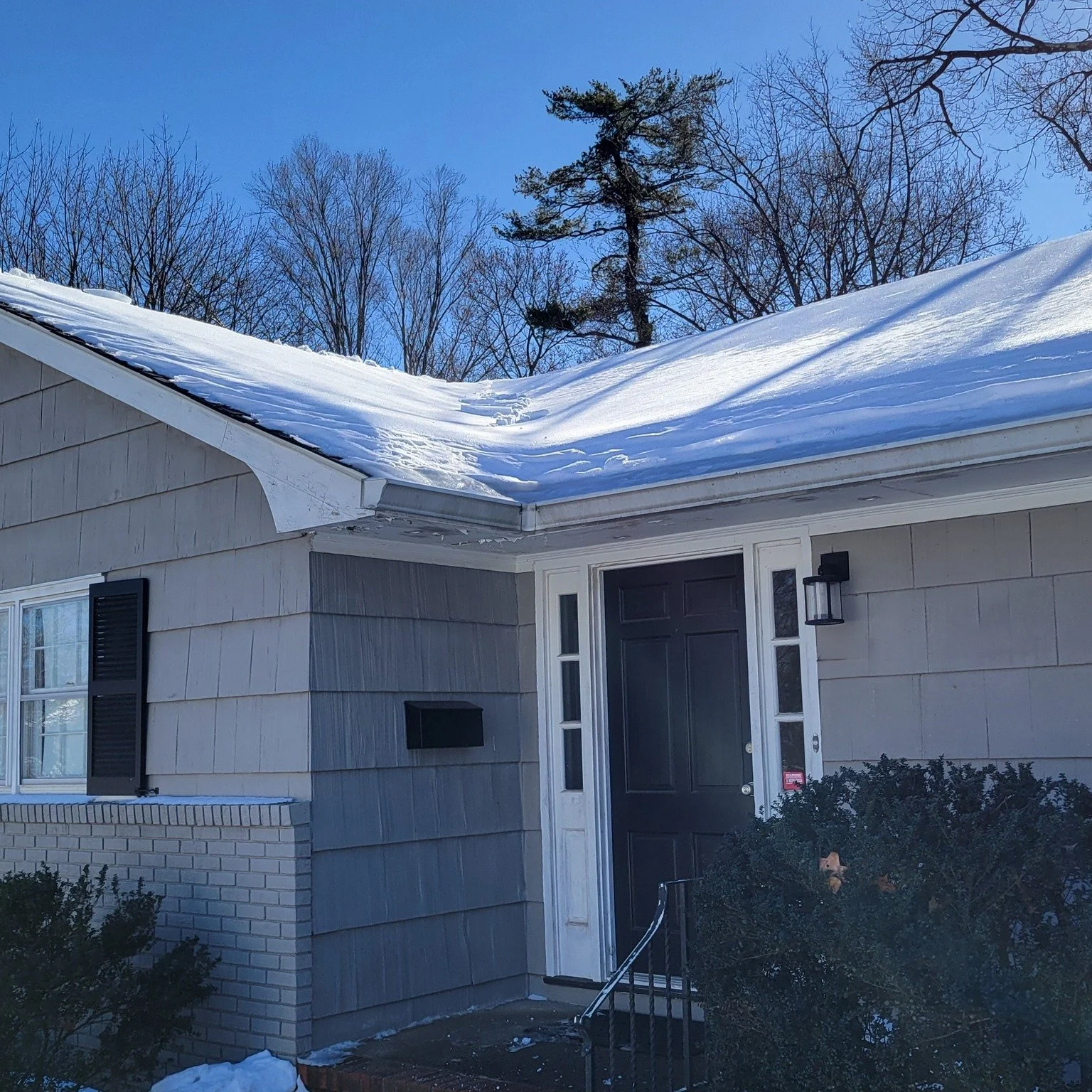
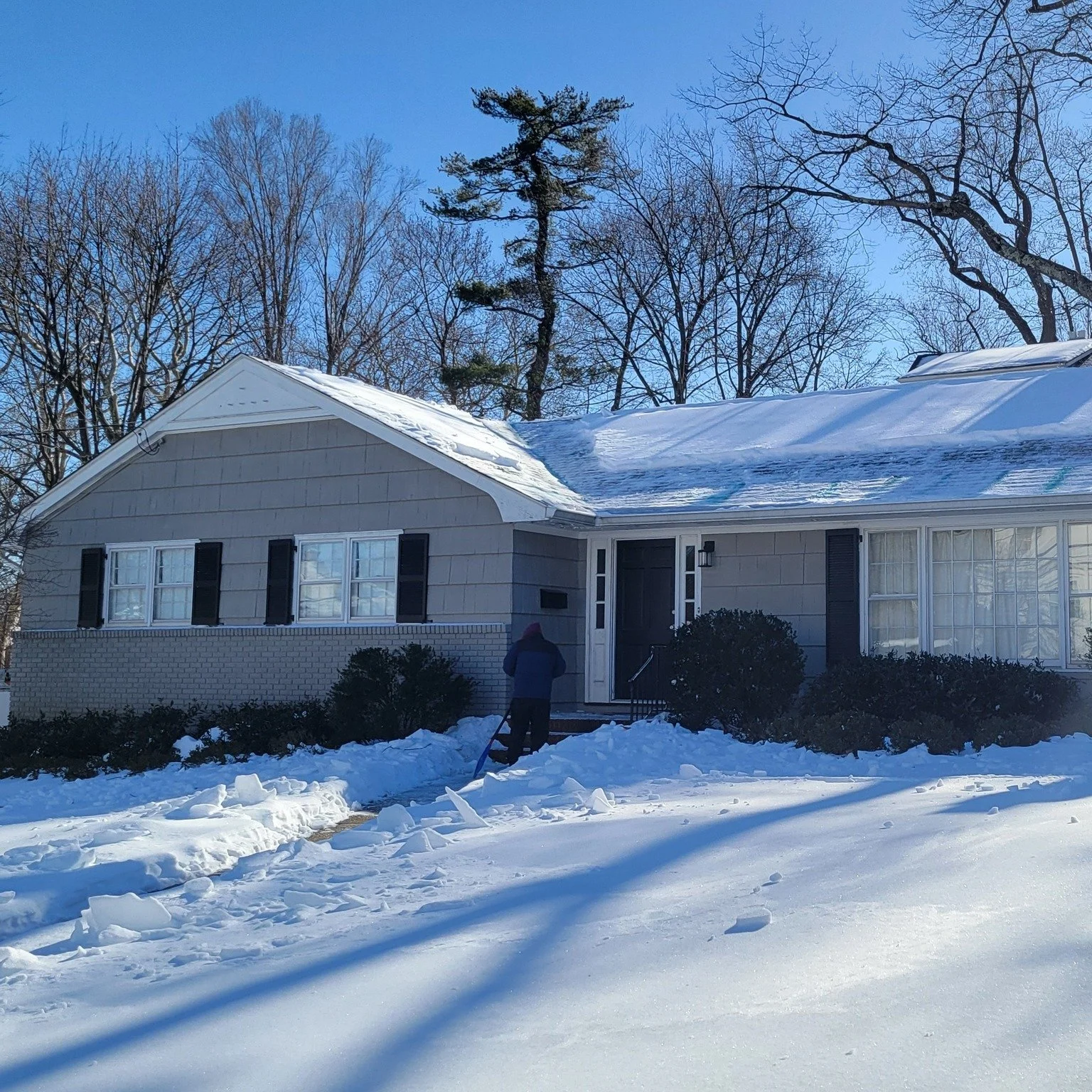
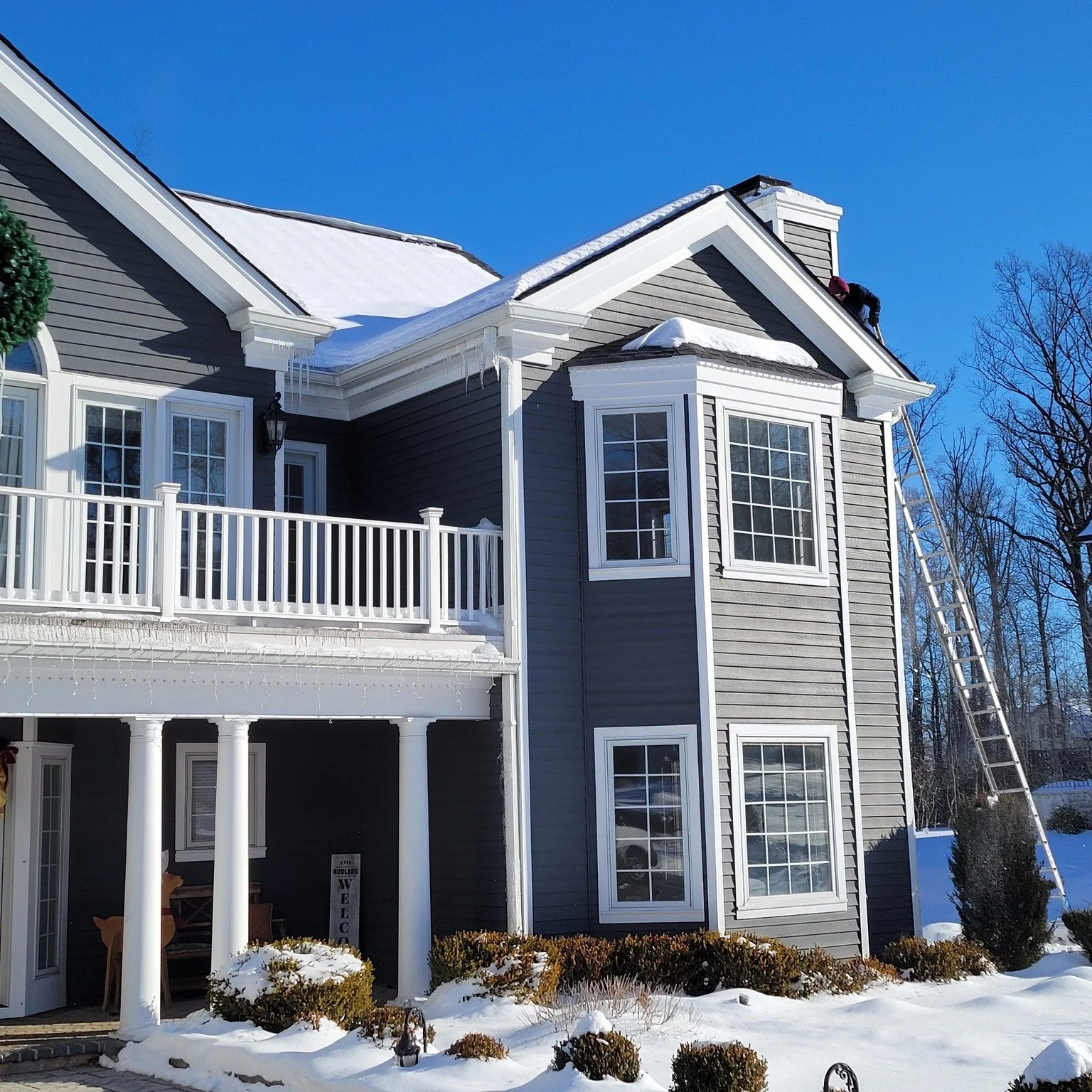
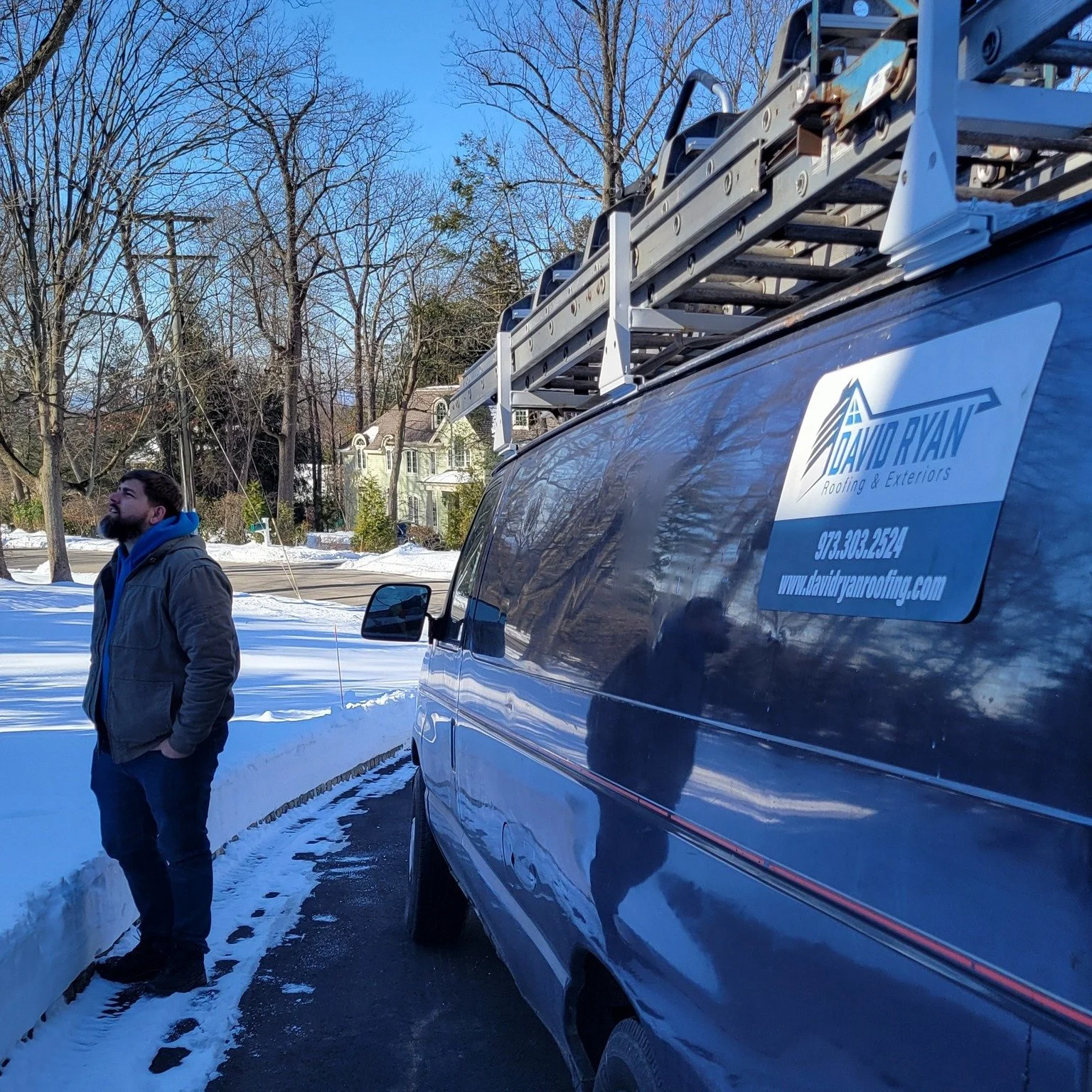
Recent Snow Removal &
Ice Mitigation in North Jersey
Take the Next Step
Contact us today to schedule a free estimate and discover why homeowners, across Caldwell and beyond, trust David Ryan Roofing & Exteriors for all their emergency roof and gutter needs.
FAQ
-
If snow is building up quickly, you’re seeing repeated melt/freeze cycles, or you notice warning signs like ceiling stains, creaking, doors sticking, sagging areas, or heavy ice at the roof edge, call as soon as conditions are safe to evaluate. After removal, a quick roof inspection can confirm shingles, flashing, and gutters weren’t stressed or damaged.
-
It depends on the type of snow (light and fluffy vs. heavy and wet), your roof design, and whether snow is drifting unevenly. If you see deep drifts, sagging, new interior stains, or heavy ice forming at the eaves, it’s time to get it assessed and removed safely.
-
In most cases, it’s safer to avoid getting on the roof. Steep pitches, slippery surfaces, and hidden ice create real fall risk. If you do anything yourself, keep it to ground-safe use of a roof rake—carefully—so you don’t damage shingles or pull on gutters.
-
Common signs include thick ice along the roof edge, persistent icicles, water stains on ceilings or exterior walls, attic moisture, or dripping during cold weather. Ice dams often relate to uneven roof temperatures, insulation, and ventilation—so addressing the root cause matters.
-
Yes. Aggressive chipping, metal tools, or pulling snow the wrong way can scrape granules, lift shingles, and bend gutters or leaders. That’s why we strongly encourage homeowners to call us instead of doing it themselves—DIY snow removal can unintentionally compromise the roof further and end up costing considerably more to fix.
In many cases, thorough roof inspections and maintenance visits can help determine any potential problems that could arise during a harsh Winter Storm.